
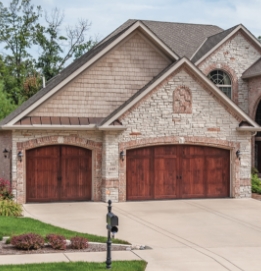
Converting a manual garage door to an automatic one is a popular and highly convenient upgrade for homeowners. An automatic garage door opener allows you to open and close your garage door with ease, providing added comfort, security, and convenience. This transformation is especially appealing if you have a heavy, cumbersome door or simply want the convenience of opening and closing it with a remote or app. In this article, we’ll break down the process of converting a manual garage door to an automatic one and what you can expect in terms of cost.
What Does It Mean to Convert a Manual Garage Door to Automatic?
Converting a manual garage door to an automatic system involves installing a motorized garage door opener that will handle the opening and closing of the door automatically. Unlike a manual door, which requires physical effort to lift or lower, an automatic opener uses a motor to move the door along tracks. These systems can be controlled by a wall button, a remote control, or even through smartphone apps, depending on the model.
The Conversion Process
The conversion process typically includes several key steps. First, an installer will assess your existing manual door to ensure it is compatible with an automatic opener. If your door is in good condition and the frame, tracks, and hardware are still functional, they can proceed with installing the opener system. The opener is mounted above the door or on the wall, depending on the type of system you choose. If the opener requires electrical work (such as adding an outlet or wiring), this will also be factored into the installation process. Once the opener is installed, it will be connected to the door’s tracks, and the system will be calibrated for smooth operation. After everything is set up, the installer will test the system to ensure the door opens and closes correctly.
Cost of Converting a Manual Garage Door to Automatic
The cost to convert a manual garage door to an automatic system can vary depending on a few factors, such as the type of opener you choose, any additional electrical work needed, and the labor charges for installation. On average, the cost for a conversion can range from $600 to $1,200. Here’s a breakdown of the typical costs involved:
- Garage Door Opener: The opener itself is the largest cost factor. Basic models usually range from $200 to $400. If you’re looking for features like Wi-Fi control, quieter operation (belt drive vs. chain drive), or added security features like cameras, the price can go up to $600 to $800 or more.
- Labor Costs: Installation labor typically costs between $150 and $300, depending on your location and the complexity of the installation. If the installation requires additional work, like wiring or modifying the door or tracks, the labor cost may increase.
- Electrical Work: If your garage doesn’t have an outlet where the opener can be plugged in or needs additional wiring for a more complex opener system, you’ll need to hire an electrician. This can add an additional $75 to $150 per hour to the total cost.
- Additional Features: If you want additional features such as smart connectivity, battery backup, or a quieter operation, these will add to the cost. Features like a Wi-Fi-enabled opener can cost between $50 and $200 more.
Factors That Can Affect the Cost
The total cost of converting your manual garage door to automatic can vary based on a few factors:
- Door Size and Weight: Heavier or larger doors require more powerful motors, which can increase the cost of the opener. If your door is particularly large or heavy, expect to pay more for an appropriate opener that can handle the additional weight.
- Type of Opener: There are different types of garage door openers: chain drive, belt drive, screw drive, and jackshaft. Chain drives tend to be the least expensive but are noisier, while belt drives are quieter but more expensive. Jackshaft openers (which mount on the wall rather than the ceiling) are also more expensive.
- Age and Condition of the Door: If your manual door is old, outdated, or in poor condition, it may need additional repairs or upgrades before the automatic opener can be installed. If the frame or tracks are damaged or rusted, repairs or replacements may be necessary.
- Smart Features: Adding smart capabilities such as smartphone control, voice assistant integration, or security cameras will increase the cost. These features offer convenience and added security but come with a premium price.
Is It Worth Converting to Automatic?
For most homeowners, converting to an automatic garage door opener is a worthwhile investment. The convenience of not having to manually lift a heavy door, especially during bad weather or in a hurry, is invaluable. Additionally, automatic openers increase the security of your home, as you can control access to your garage from your phone or through remote control. It also adds to the home’s resale value, as many homebuyers prefer automatic garage doors for ease of use.
Moreover, automatic openers tend to be much safer than manual doors. With modern safety features like sensors that prevent the door from closing if something is in the way, they help protect people and pets from harm. For those who have a detached garage, an automatic opener is particularly convenient, as it eliminates the need to get out of the car to open or close the door.
Conclusion
The cost of converting a manual garage door to an automatic system typically ranges from $600 to $1,200, depending on the type of opener, any electrical work needed, and the complexity of installation. The benefits—convenience, security, and improved functionality—make it a great investment for most homeowners. If you already have a functional door, retrofitting it with an automatic opener can be a cost-effective way to add modern convenience without the expense of replacing the entire system. If you’re considering the upgrade, it’s a smart move that will improve both the functionality and value of your home.