Backing your car into the garage door is a surprisingly common mistake that can leave you staring at a dented, unsightly mess. Fortunately, garage door panel repair offers a cost-effective solution to fix the damage without overhauling your entire system. In this guide, we dive into expert insights on when you can safely replace a damaged section and when it’s time to upgrade the whole door.
Garage doors take a beating from daily use, harsh weather, and accidental impacts. According to industry experts, one of the most frequent reasons homeowners call for repairs is backing a vehicle directly into the closed door. In many of these minor accidents, the structural tracks remain intact while the door’s surface takes the brunt of the force.
Standard residential garage doors typically consist of four interlocking horizontal panels. Out of all these sections, the bottom panel of a garage door is the most frequently damaged piece because of its proximity to the ground and susceptibility to vehicle impacts and moisture.
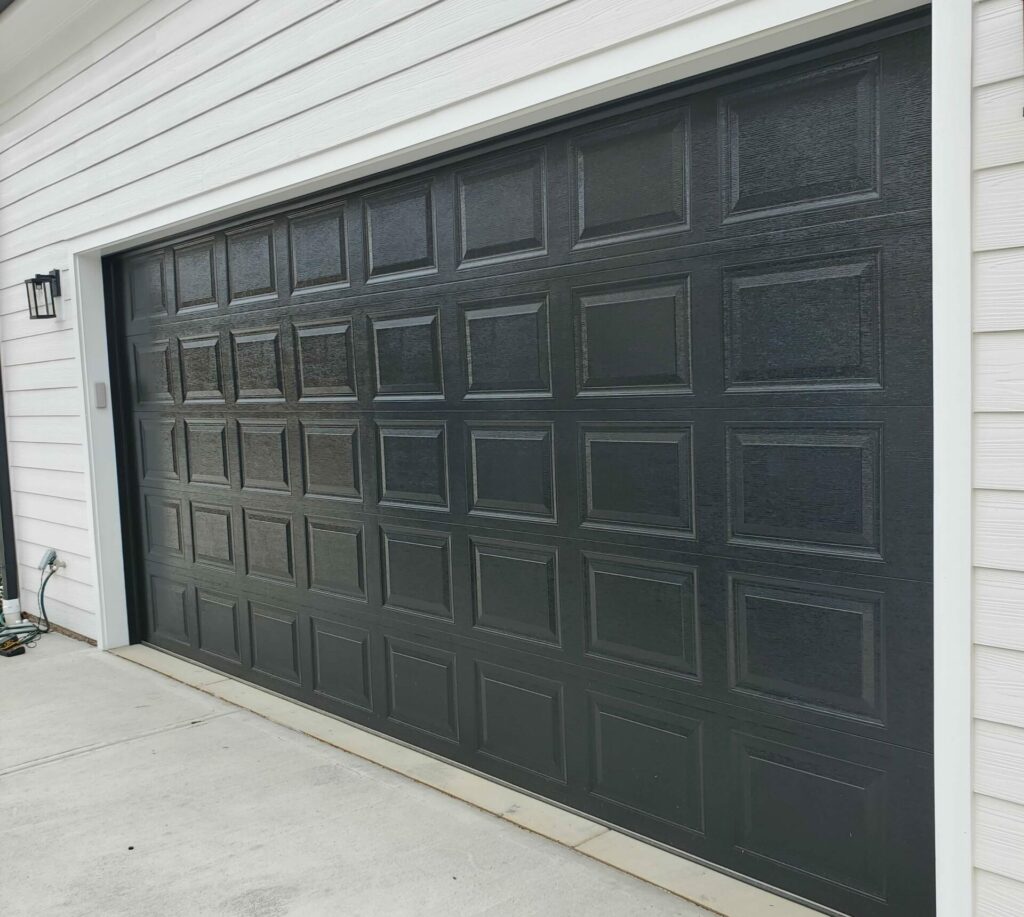
Yes, you can absolutely replace a single damaged section. If you accidentally dent the bottom panel, a garage door specialist can often swap out just that specific piece, leaving the rest of the door and the hardware perfectly intact. This targeted approach to garage door panel repair is a fantastic way to save money.
Manufacturer Compatibility: Brands like Amarr and C.H.I. Overhead Doors provides replacement sections for its models, while companies like DoorLink specialize specifically in manufacturing replacement sections.
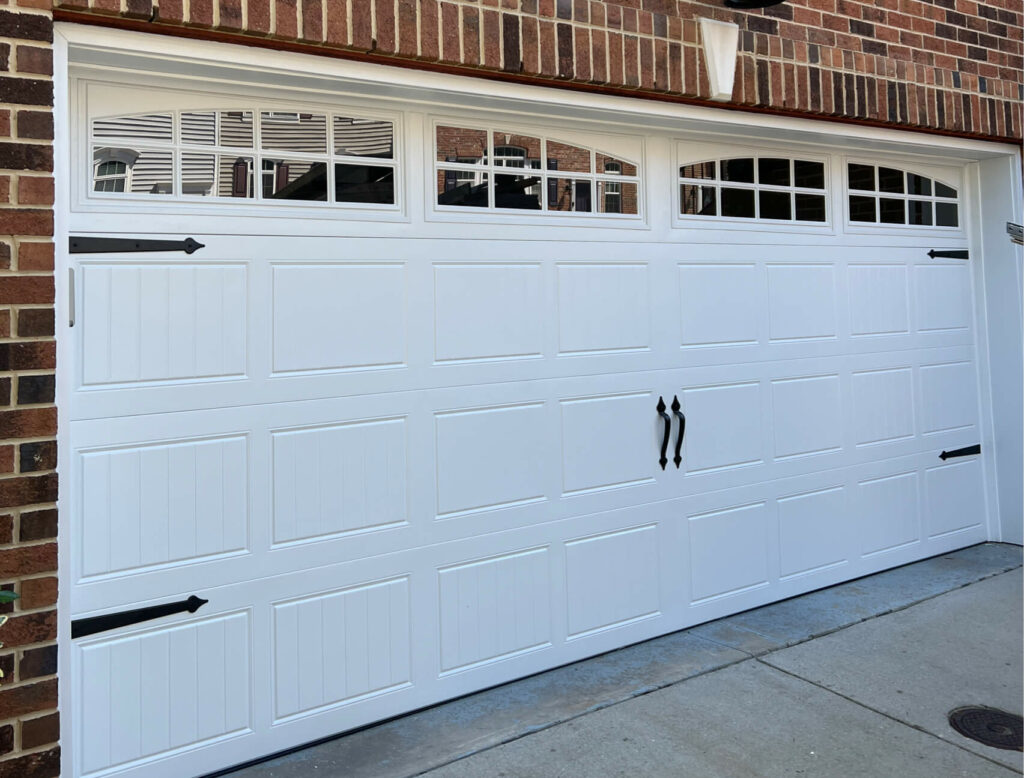
While swapping a panel is cheaper than buying a brand-new door, it isn’t always the smartest long-term investment. Garage door specialists note that panel replacement is highly recommended if your door’s hardware is relatively new—ideally under five years old. If your system is older, the surrounding components might be nearing the end of their functional life.
| Component / Dimension | Industry Standard |
| Torsion Springs | A standard 10,000-cycle garage door torsion spring typically lasts around seven to ten years under normal residential use. |
| Single Door Height | Standard residential garage doors are usually 7 to 8 feet tall. |
| Double Door Width | Double-car garage doors are typically 16 to 18 feet wide. |
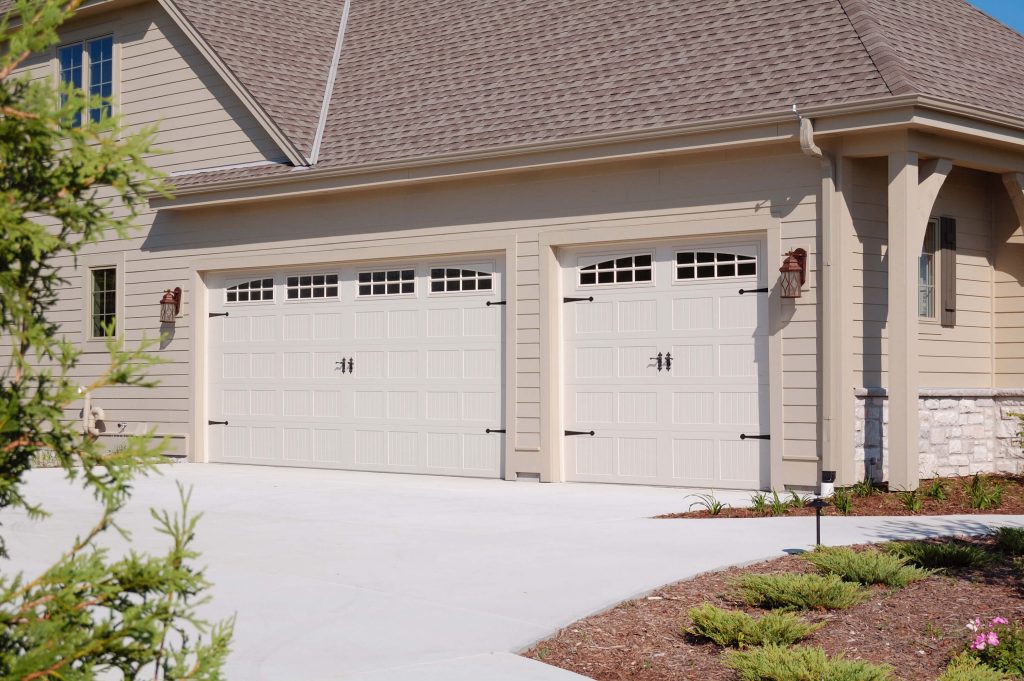
Before calling a technician, you can perform a basic visual inspection to understand the scope of the damage.
Consult a Professional: Have an expert check the spring cycle life and hardware condition before ordering replacement sections.
If you have severely damaged multiple panels, the repair costs can quickly add up to the price of a brand-new installation. Furthermore, aging doors present aesthetic and functional challenges.
“If it’s just a bottom section that gets damaged, we can a lot of times just replace that bottom panel and then not have to replace all the sections or any of the hardware. But if the hardware is older, replacing the whole system is usually better.”
Fading from sun exposure means a brand-new panel might not perfectly match the color of your existing door. In fact, if a garage door is over 15 years old, it is often recommended to replace the entire door rather than attempting to swap out individual panels.
Whether you accidentally bumped your door with your car or suffered weather damage, garage door panel repair is a viable and budget-friendly option for newer doors. By assessing the age of your hardware, the extent of the damage, and the availability of replacement sections, you can make an informed decision that restores your home’s curb appeal and security.